Spotting the warning signs early
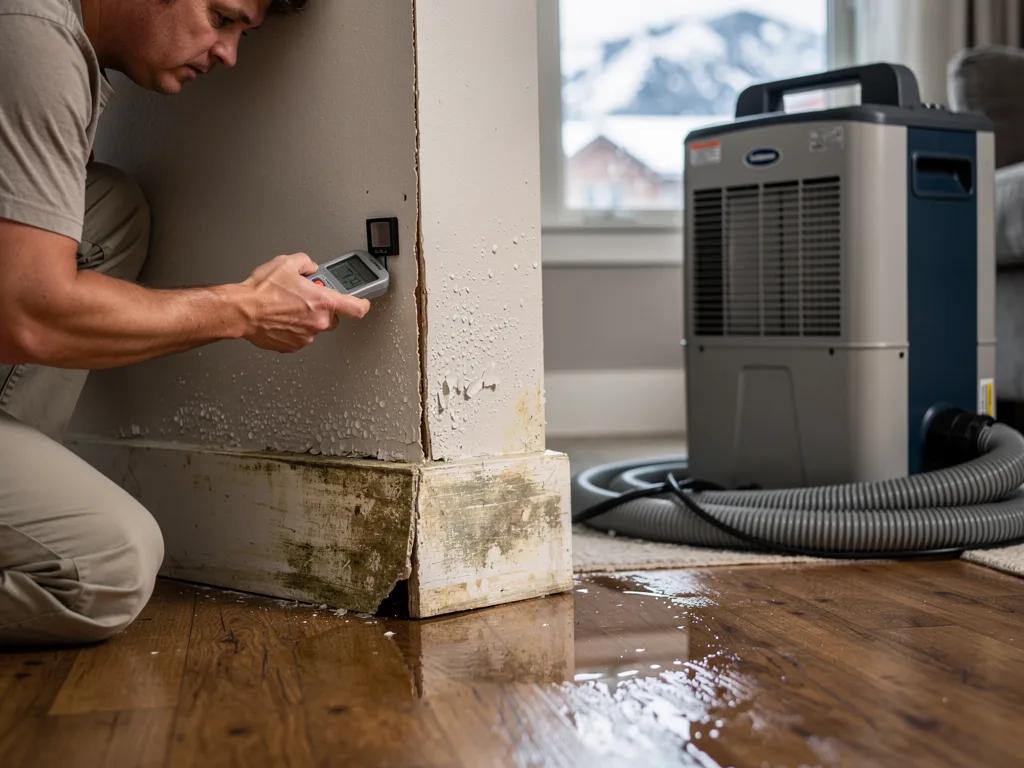
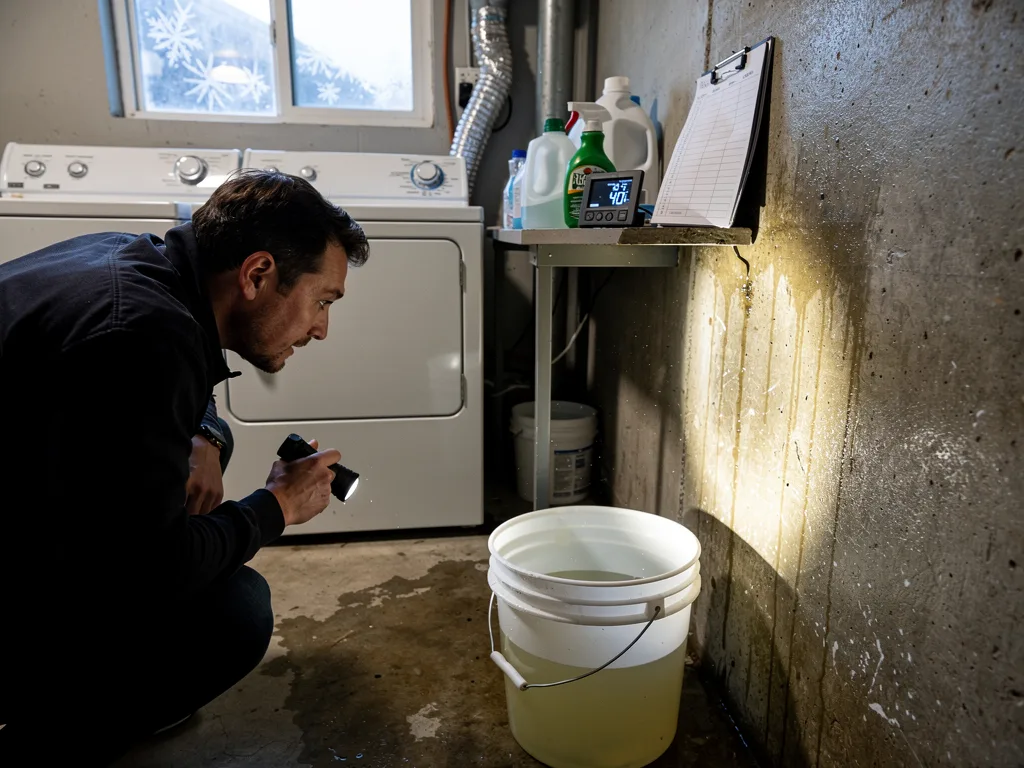
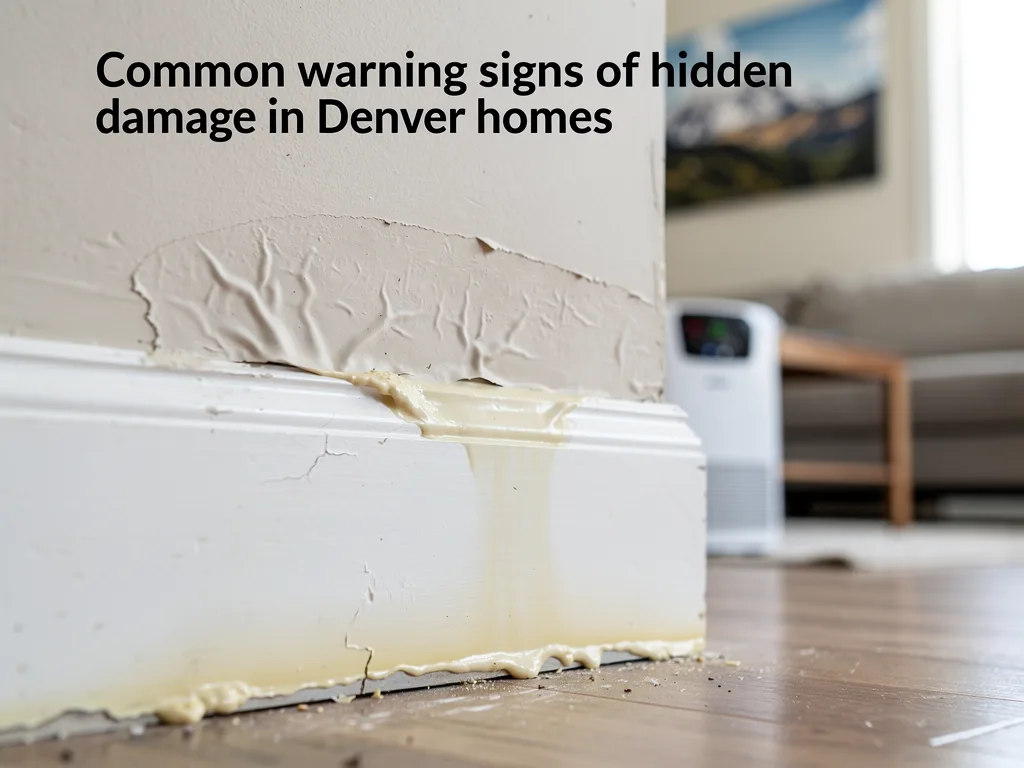
Water problems don’t always show up as a puddle. In Denver, moisture can creep behind walls and under floors, especially after heavy spring rains or rapid temperature shifts. A restoration specialist from Denver Water Damage Services will tell you to look for changes like damp smells, soft spots in wood, or paint that bubbles and peels. These clues often come from areas that don’t get a lot of sunlight or airflow, like basements, crawl spaces, or softened drywall near windows.
Another common signal is mineral staining on walls or ceilings. Hard water deposits or chalky rings around fixtures can indicate ongoing moisture. If you notice discoloration that wasn’t there before, it’s worth having a professional check it out. Denver’s climate can drive condensation inside walls, so a fresh, musty scent is not something to ignore.
Your restoration specialist will emphasize documenting changes. Take photos, note dates of unusual dampness, and track any related symptoms like warped trim or peeling wallpaper. Early documentation helps us assess the scope quickly and plan the next steps with you.
What to do right away
First, reduce the source if it’s safe. If a faucet or appliance is leaking, shut it off at the main and call us for an assessment. Do not rubber-band or tape over visible leaks; it can trap moisture and hide damage. Remove textiles or electronics from the area to prevent secondary damage, but don’t move heavy items that might worsen the situation.
Keep the space ventilated if you can do so safely. Open doors to circulating air, but avoid fans that push air into uninsulated spaces. If you have a dehumidifier, run it at a medium setting and empty the tank regularly. These steps can slow the spread of moisture while you wait for a professional evaluation.
Why a quick professional check matters
Our restoration specialists bring specialized equipment to Denver areas. A rapid assessment helps determine whether there’s a hidden leak, rising moisture, or a risk to structural components. We’ll check for compromised materials behind walls, under floors, and in crawl spaces, because moisture can travel along studs and joists and create bigger problems if left untreated.